
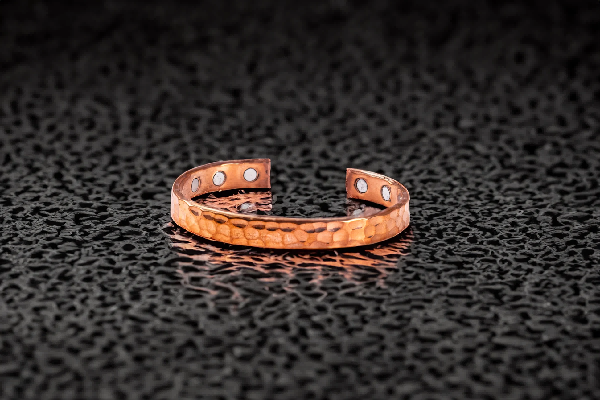
Magnetic bracelets are becoming more popular for wellness and pain relief. Many people try them as an additional therapy.
But their growing popularity brings up an important question: are magnetic bracelets safe for everyone? The answer is no.
You need to understand contre indication bracelet magnétique, or magnetic bracelet contraindications, before wearing one. Many people use them without issues. However, there are important exceptions.
This guide gives you clear, evidence-based information about the risks. It helps you make a safe and informed choice.
Here’s a quick summary of the most important warnings. These people should completely avoid magnetic bracelets:
- People with pacemakers or other electronic medical devices inside their body
- Pregnant women
- People using specific medical equipment like insulin pumps
We’ll explain each of these points in detail. We’ll also cover the specific magnetic therapy risks involved. Our goal is to answer your important safety questions.
This complete guide covers everything you need to know about magnetic jewelry warnings.
Table of Contents
How Magnetic Bracelets Work
A magnetic bracelet is jewelry that contains static magnets. You wear it on your wrist.
The magnets vary in strength and type. Common materials include Neodymium, Samarium-Cobalt, Ferrite, and Hematite. Hematite is a naturally magnetic stone.
The theory behind magnet therapy is simple. Static magnetic fields might influence your body’s systems.
Supporters claim these fields may improve blood flow to the area. They might change nerve signals to reduce pain. Or they could reduce inflammation.
You need to understand the scientific view. These theories exist, but strong, large-scale scientific evidence supporting these health claims is limited.
The medical community often debates how well magnet therapy works. Many observed benefits are sometimes due to the placebo effect.
The National Center for Complementary and Integrative Health (NCCIH) states that existing studies haven’t proven magnets work for treating pain.
Understanding this background helps you evaluate why contre indication bracelet magnétique exists. The potential for interference comes from the physical properties of magnets, not their unproven health benefits.
Absolute Contraindications List
This section explains which groups should never wear a magnetic bracelet. The risk of serious harm is high and outweighs any possible benefit.
We’ll explain the specific risk and danger mechanism for each group. This is the most important information about magnetic bracelet contraindications.
The question of who should not wear magnetic bracelets has a clear answer for these people.
Group / Condition | Risk Level | Detailed Explanation of Why It’s a Contraindication |
Pacemaker/ICD Wearers | EXTREMELY HIGH | Magnets can create an electromagnetic field that interferes with electronic signals in pacemakers and Implantable Cardioverter-Defibrillators (ICDs). This can make the device malfunction, switch to test mode, deliver an unnecessary shock, or stop working completely. This is a life-threatening risk. The interaction between magnetic bracelets and pacemakers is the most serious contraindication. |
Insulin Pump Users | HIGH | Many insulin pumps have small motors and electronic parts sensitive to magnetic fields. A strong magnet placed nearby could interfere with the pump’s mechanism. This might lead to wrong insulin delivery—either too much or too little. This can cause severe low or high blood sugar. |
Other Implanted Electronic Devices | HIGH | This includes devices like cochlear implants for hearing, neurostimulators for pain or nerve conditions, and certain automated drug pumps. All these devices need precise electronic programming that external magnetic fields can disrupt. Always assume there’s a risk of interference and avoid use. |
Pregnant Women | HIGH (Precautionary) | The effects of static magnetic fields on a developing baby are unknown. No controlled studies have been done to establish safety. Because of this complete uncertainty, all major health advisories recommend avoiding magnetic therapy during pregnancy as a necessary precaution. The potential, unknown magnetic therapy risks are too great. |
Cancer Patients on Chemotherapy | MODERATE-HIGH | This risk isn’t from the chemotherapy drugs themselves, but from the delivery systems. Some patients may use portable infusion pumps or have ports with electronic components. You must consult with an oncologist to make sure no part of the treatment can be affected by magnets. |
The danger to electronic medical implants is well-documented. The U.S. Food and Drug Administration (FDA) warns about magnets in consumer electronics interfering with medical devices. The same principle applies to strong magnets in jewelry.
For pregnancy, the precautionary principle is most important. The World Health Organization (WHO) recommends caution with electromagnetic field exposure where health effects aren’t fully known. This principle applies here.
Understanding these absolute contraindications is the first step in magnet safety. If you’re in any of these categories, the decision is clear: don’t use a magnetic bracelet.
For those without these specific conditions, the quality of the bracelet itself still matters for a safe experience. You can explore different magnet types and bracelet materials, like those in our titanium magnetic bracelets collection. These are clearly specified for informed buyers.
Potential Risks and Side Effects

Beyond the absolute contraindications, there are other potential issues. Some groups should be careful. These are the more common magnetic therapy side effects.
While not life-threatening, these side effects of wearing magnets can cause discomfort or other problems. Answering “are magnetic bracelets safe?” requires looking at these detailed risks too.
People on Blood Thinners
There’s a theoretical concern for people with bleeding disorders or those taking blood-thinning medications like warfarin.
The claim that magnets improve blood flow isn’t strongly supported, but it raises a question. If it were true, it could potentially change the effects of these medications.
There’s no strong evidence of this interaction, but caution is advised. Talk to your blood specialist or cardiologist before considering a magnetic bracelet.
People with Low Blood Pressure
Some reports suggest that magnetic bracelets might cause a slight drop in blood pressure.
For someone with high blood pressure, this might sound good. However, for someone who already has low blood pressure, any further decrease could lead to dizziness, lightheadedness, or fainting.
If you have low blood pressure, you should avoid magnetic bracelets. Or monitor your blood pressure very closely if you choose to try one after medical consultation.
Allergic Reactions and Skin Irritation
One of the most frequent complaints isn’t from the magnet itself. It’s from the materials used in the bracelet.
Lower-quality magnetic jewelry often contains nickel, a common metal allergen. This can cause allergic contact dermatitis, resulting in a red, itchy rash on the wrist.
Other metals or a bracelet that’s too tight can also cause simple skin irritation from friction and trapped moisture.
To avoid this, look for bracelets made from hypoallergenic materials. High-grade stainless steel (like 316L), copper, or titanium are much less likely to cause a reaction.
Dizziness or Tingling
A small number of new users report mild tingling or dizziness when they first start wearing a magnetic bracelet.
The exact cause is unknown. It could be a physical reaction or a psychological one.
If you experience these symptoms, stop wearing the bracelet. If the symptoms continue, see a healthcare professional.
Interference with Other Items
This is a practical magnetic jewelry warning. The magnets in your bracelet are real and can affect other items.
They can damage the magnetic strips on credit cards, debit cards, and hotel key cards. This makes them useless.
They can also interfere with the internal parts of a mechanical watch, affecting its timekeeping. Keep them away from older electronics like CRT monitors or hard drives.
Hype Versus Reality

To truly understand contre indication bracelet magnétique and its place in wellness, we must look critically at marketing claims.
This section helps you separate promotional hype from scientific reality. This makes you a more informed consumer.
Let’s compare common claims with the current scientific view.
Claim: Magnetic bracelets restore your body’s “natural energy field” or “bio-magnetic balance.”
Scientific Perspective: The concepts of a “body energy field” or “bio-magnetic balance” aren’t recognized by conventional medicine or physics. These are marketing terms, not scientific principles.
Claim: The magnets dramatically increase blood flow and oxygen throughout the body.
Scientific Perspective: Studies using video-microscopy to observe blood flow in small blood vessels under a static magnetic field show minimal to no effect. The iron in hemoglobin is in a form that isn’t strongly attracted to the type of static magnets used in bracelets.
Claim: Magnetic bracelets can cure arthritis or other chronic diseases.
Scientific perspective: No cure for most forms of arthritis currently exists. Some small studies have shown minor pain relief from magnetic bracelets compared to fake bracelets. However, many larger, higher-quality studies and reviews, like those found in the Cochrane Library, often conclude that the effect is small and may be no different from a placebo.
The placebo effect is real and powerful. If a person believes a treatment will work, they may experience genuine improvement in their symptoms.
If a user feels better while wearing a magnetic bracelet and isn’t in a high-risk group, this outcome is valid for them. The key is to not mistake this personal experience for proven medical effectiveness. Don’t use it to replace conventional medical treatment.
While the scientific community debates the therapeutic effects, the quality of the product you wear is a real factor. A well-made bracelet, like our high-grade neodymium bracelet, focuses on superior material craftsmanship and user comfort. This ensures a safe physical experience for those who are cleared to wear one.
A 4-Step Decision Framework

This simple checklist helps you apply the information in this guide to your personal situation. It provides an actionable plan for making a safe choice.
Follow these steps before you decide to buy or wear a magnetic bracelet.
Step 1: Review Contraindications
This is the first and most important step. Ask yourself: “Am I in any of the high-risk groups?”
Review the table of absolute contraindications. If you use a pacemaker, ICD, insulin pump, other electronic implant, or are pregnant, the decision is already made. Don’t use a magnetic bracelet.
Step 2: Consult Your Doctor
If you’re not in a high-risk group, the next step is to talk to a healthcare provider. This is essential.
Be specific with your questions. Ask, “Given my health history, my current condition of [e.g., low blood pressure], and the medications I take like [e.g., blood thinners], are there any known magnetic therapy risks for me with static magnets?”
Your doctor can give you personalized advice based on your complete medical profile.
Step 3: Manage Your Expectations
Ask yourself: “What am I hoping to achieve with this bracelet?”
If you have your doctor’s approval and are hoping for mild pain relief or a general sense of wellness, trying one may be a low-risk experiment.
If you expect the bracelet to cure a serious disease, reverse a chronic condition, or replace prescribed medical treatments, your expectations need adjustment. Magnetic therapy isn’t a substitute for professional medical care.
Step 4: Choose Quality and Monitor
If you decide to proceed, choose a bracelet from a reputable seller that’s transparent about its materials.
Look for clear specifications on the magnet type (e.g., Neodymium), strength (measured in Gauss), and the bracelet’s metal composition (e.g., Titanium, 316L Stainless Steel).
When you start wearing it, begin with just a few hours a day. Watch yourself for any bad effects, such as a skin rash, dizziness, or any other new symptoms. If you experience any issues, stop wearing it.
Choosing a reputable seller is key to a safe material experience. At CNM Magnet, we’re transparent about the materials and magnet strengths used in our products. This empowers you to make an informed choice.
Conclusion: Prioritize Your Health
The main purpose of this guide is to detail every contre indication bracelet magnétique.
Magnetic bracelets have absolute contraindications. They pose a severe, life-threatening risk to users of pacemakers and other electronic medical implants.
For everyone else, caution and a doctor’s consultation are essential before use. Potential magnetic therapy side effects exist. Personal health conditions must be considered.
We haven’t focused on benefits, as the priority must always be safety and informed decision-making.
Your health is your most valuable asset. Always consult with a qualified healthcare professional before starting any new therapy, including using magnetic bracelets. For general information on complementary health, government-run portals like MedlinePlus are a reliable resource.
We are a manufacturer specializing in the research and development of magnets with years of industry experience. Our product offerings include NdFeB magnets, ferrite magnets, and custom magnetic components. Our goal is to provide high-quality magnetic solutions to customers worldwide, and we also offer OEM/ODM customization services. If you have any questions about magnets or custom applications, please feel free to contact our team of experts.
Facebook
Twitter
LinkedIn
WhatsApp