
How to Tell if a Cow Has a Magnet: Practical Methods for Farmers
As a farmer, you know how curious cattle can be. They’ll nibble on almost anything—especially metal objects like nails, wires, or sharp debris. These items can cause hardware disease, a serious condition where metal pierces the stomach wall, leading to infection or even death. That’s why many farmers use cow magnets—special magnets placed in the cow’s rumen to trap dangerous metals.
But what if you’re not sure whether a cow already has one? Maybe you inherited a herd, lost records, or just want to be extra careful. Don’t worry—I’ve been there too. In this article, I’ll share reliable ways to check if a cow has a magnet, so you can avoid duplicate placements and keep your cattle healthy.
What Is a Cow Magnet and Why Is It Used?
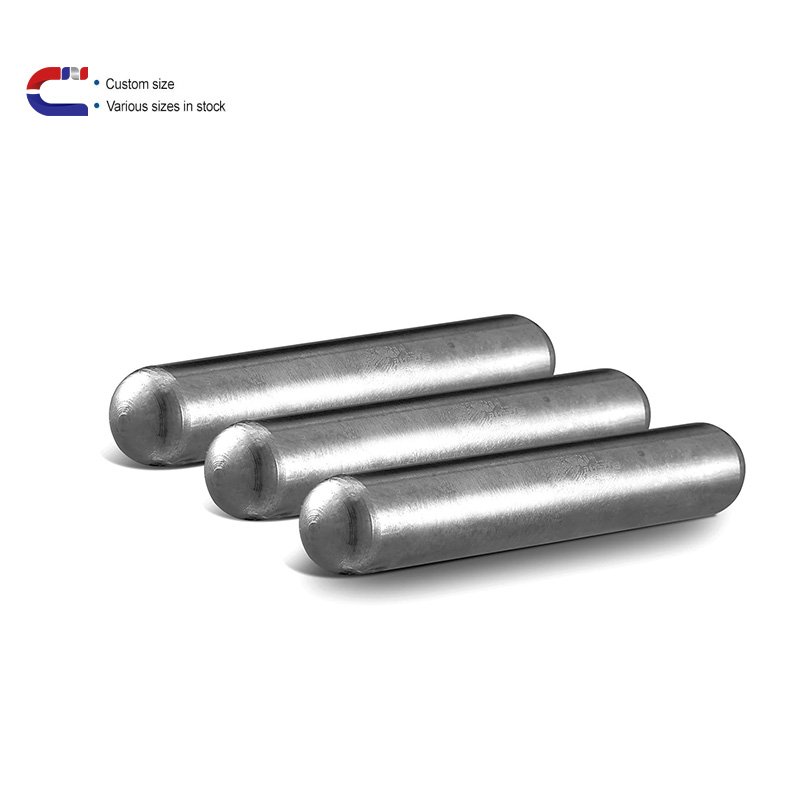
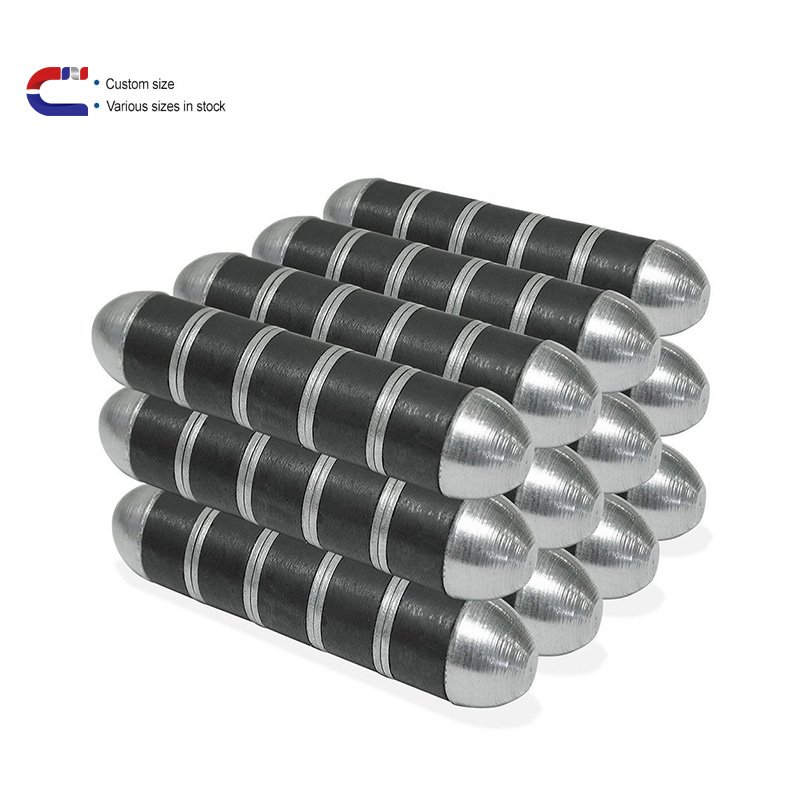
A cow magnet is a strong, durable magnet (usually made of ceramic or Alnico magnets) designed to be swallowed by a cow. It sits in the rumen (the first stomach chamber) and attracts ferromagnetic metals, preventing them from moving through the digestive system.
These magnets are typically cylindrical or capsule-shaped and coated with smooth, food-safe material to avoid harming the animal. They can last for the cow’s entire life.
Why it matters: If a cow already has a magnet, adding another is unnecessary and wasteful. It might even reduce effectiveness by causing magnetic interference.
How to Check if a Cow Already Has a Magnet
- Use a Metal Detector
This is the easiest and most common method.
- How it works: Pass a handheld metal detector over the cow’s left side (where the rumen is located).
- What to expect: If a magnet is present, the detector will beep or show a strong signal.
- Tip: Use a sensitive agricultural-grade detector. Regular hobbyist models may not be strong enough.
- Magnetic Probe Test
Some farmers use a magnetic probe or a strong handheld magnet.
- Gently press the probe against the cow’s side near the rumen.
- If there’s an internal magnet, you may feel a slight pull or attraction.
- This method requires practice and may not work for deep-lying magnets.
- Veterinary Assistance
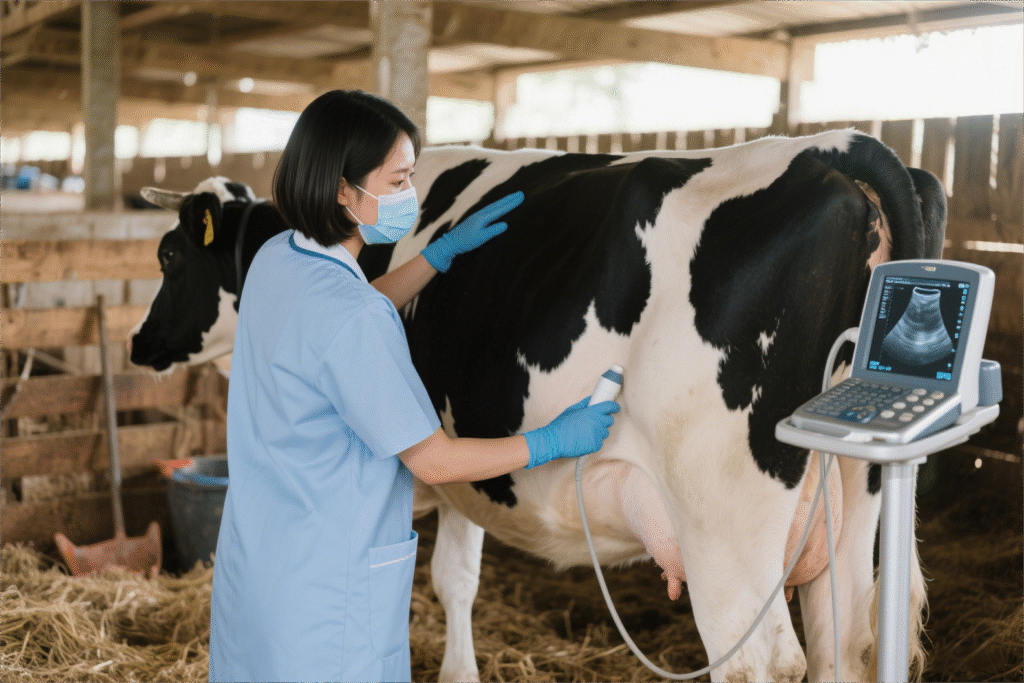
When in doubt, call a vet. They can use:
- X-rays: Clearly show the presence and position of the magnet.
- Ultrasound: Less common but effective for detecting foreign objects.
- Check Farm Records
If you maintain good records, you might already have the answer.
- Note the date of magnet placement, cow ID, and type of magnet used.
- This is the simplest method—if you trust your paperwork!
When Should You Give a Cow a Magnet?
- Calves or young cattle before they start grazing in risky areas.
- Cows showing signs of hardware disease, such as:
- Loss of appetite
- Weight loss
- Lethargy
- Shallow breathing (due to pain)
If you see these symptoms, consult a vet—even if the cow has a magnet. Sometimes, sharp objects can bypass it.
Lorem ipsum dolor sit amet, consectetur adipiscing elit. Ut elit tellus, luctus nec ullamcorper mattis, pulvinar dapibus leo.
Do Cow Magnets Harm Cattle?
No. When used correctly, cow magnets are completely safe. They remain in the rumen and don’t interfere with digestion. However, always choose high-quality magnets with smooth coatings to avoid internal scratches.
Recommended Cow Magnets for Your Farm
We supply durable and reliable cow magnets suitable for dairy and beef cattle:
Strong rumen magnets with FDA-compliant coatings.
Our Products Include:
- Ceramic rumen magnets
- Neodymium magnets for stronger attraction
- Custom sizes and shapes
Why Choose Us?
- ✅ Food-safe and non-toxic
- ✅ High magnetic strength
- ✅ Available for wholesale and export
📦 Interested? Contact us for bulk pricing and customization!
FAQ
1.Can a cow pass a magnet naturally?
No. Once in the rumen, the magnet stays there for life. It’s too large to pass through the digestive tract.
2.How many magnets does one cow need?
Only one. Multiple magnets can clump together and reduce effectiveness.
3.How is a magnet inserted?
It’s usually given orally using a balling gun or by a vet. The cow swallows it like a pill.
4.Do all cows need magnets?
Not necessarily. It depends on their environment. If they graze in areas with metal debris, it’s highly recommended.
We are a manufacturer specializing in the research and development of magnets with years of industry experience. Our product offerings include NdFeB magnets, ferrite magnets, and custom magnetic components. Our goal is to provide high-quality magnetic solutions to customers worldwide, and we also offer OEM/ODM customization services.If you have specific procurement requirements, welcome to contact professional magnet manufacturers for quotes and technical support.
Facebook
Twitter
LinkedIn
WhatsApp
