
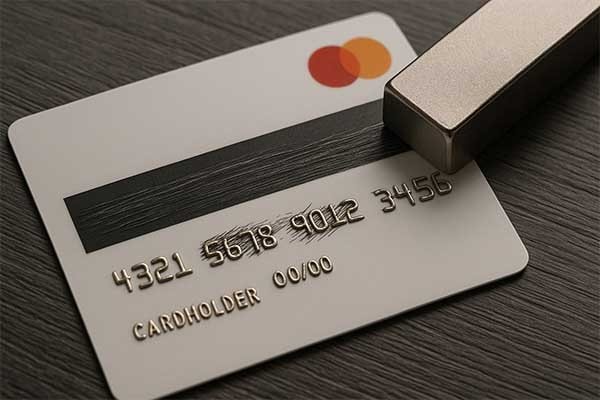
Yes, magnets can damage credit cards. But here’s the good news: this danger mostly affects old magnetic stripes on the back of cards. Your modern chip and contactless cards? They’re almost completely safe from magnets.
This question comes up all the time. Maybe you’re worried about a magnetic purse clasp. Or perhaps you just bought a new MagSafe wallet for your phone. You might even be considering a magnetic money clip. The fear is real – that a simple magnet could suddenly make your main payment method useless.
We’re here to clear up the confusion. This guide gives you the complete answer to “do magnets ruin credit cards?” We’ll explain the science behind it. We’ll show you how to spot at-risk cards. And we’ll give you practical tips to keep your cards safe every day.
Table of Contents
The Science Explained
To understand the risk, you need to know what’s inside your wallet. The difference between a magnetic stripe and a chip explains why most cards today are safe.
How a Magnetic Stripe Works
Picture the black or brown magnetic stripe on your card’s back. Think of it like a tiny piece of cassette tape. It contains millions of microscopic iron-based magnetic particles.
Your card information gets written onto this stripe in a specific way. The account number, your name, and expiration date are all stored by arranging these tiny particles in a precise north-south pattern. When you swipe your card, the reader detects this pattern and turns it back into data.
Here’s where the problem starts. A strong external magnetic field can mess up this careful arrangement. It can scramble the particles, move them around, or completely erase them. This process is called demagnetization. For more details about magnetic data storage, check out resources like HowStuffWorks.
When this happens, your stripe can’t talk to card readers anymore. You’ll get a “read error” at checkout.
Why Chip and Contactless Are Different
Modern credit and debit cards have evolved significantly. They now include technology that magnets can’t touch.
That small, square metallic contact on your card’s front? That’s an EMV chip. EMV stands for Europay, Mastercard, and Visa – the companies that created this standard. This isn’t a magnetic storage device. It’s actually a powerful microprocessor, like a tiny computer that stores your data in secure, solid-state memory.
Since the chip doesn’t rely on magnetism, even a powerful magnet placed right on it won’t affect the stored data. This technology is naturally more secure against both physical damage from magnets and data theft. Major payment companies like Visa provide detailed information about how EMV technology works and why it’s secure.
Contactless payment technology works differently too. You can spot it by looking for a four-line “wave” symbol on your card. This uses Near Field Communication, or NFC. It sends data using radio waves over very short distances. Static magnetic fields from household or industrial magnets don’t interfere with these radio signals. This makes contactless payments completely safe from magnetic damage.
Know Your Card
You can check your own risk by simply looking at the cards in your wallet. The technology on each card determines how vulnerable it is to magnets.
The Comparison Table
We’ve created a simple table to help you quickly identify your cards and understand their risk level. This visual guide offers immediate, practical knowledge.
Card Type | How to Identify It | Risk from Magnets |
Magnetic Stripe Only | No visible chip on the front. Has only a magnetic stripe on the back. Common for hotel key cards, many gift cards, and older transit passes. | HIGH RISK. Extremely vulnerable to data corruption. Even a moderately strong magnet can wipe the data permanently. |
Chip and Stripe | Has a visible gold or silver square chip on the front, plus a magnetic stripe on the back. This is the most common type of credit and debit card today. | LOW RISK. The chip, your primary transaction method, is immune. The stripe is still vulnerable, but it’s a backup. Damage is an inconvenience, not a critical failure. |
Contactless (with Chip/Stripe) | Has the chip, the stripe, and the contactless “wave” symbol (four curved lines). This represents the majority of newly issued cards. | VERY LOW RISK. Both primary payment methods (chip and contactless) are completely immune to magnets. The stripe is a rarely used tertiary backup. |
What About Other Cards?
Your wallet probably holds more than just credit and debit cards. Many of these other cards still use older, more vulnerable technology.
Hotel key cards are a perfect example. Most hotels use cheap, low-quality magnetic stripes to keep costs down. These break easily when exposed to magnets. Putting your hotel key in the same pocket as your phone or near a wallet clasp often causes it to stop working.
ID cards and building access cards vary widely. Many modern corporate and government IDs now use embedded chips or RFID technology. But countless others still rely on simple magnetic stripes for access control. If your access card only has a stripe, treat it as high-risk.
Gift cards and loyalty cards also frequently use magnetic stripes. While losing a damaged gift card might not cost much, it’s still annoying. Always check for a chip to see how resilient your card is.
Not All Magnets Are Equal
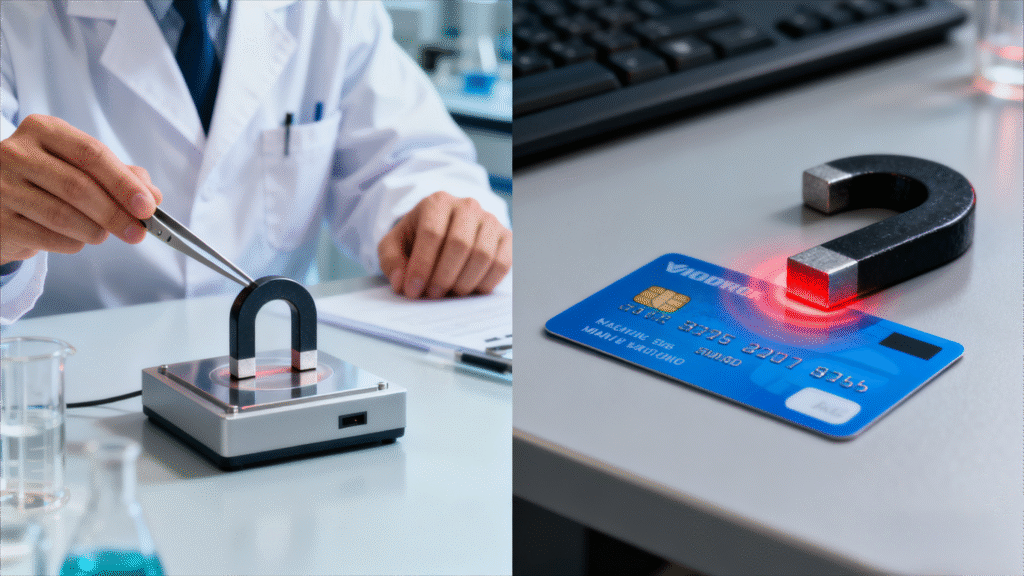
Saying “a magnet” is too vague. The actual risk to your card’s magnetic stripe depends entirely on the magnet’s strength and how close you get to it. A tiny fridge magnet and an industrial lifting magnet are completely different.
Everyday Low-Risk Magnets
The magnets you encounter most often are incredibly weak. They pose virtually no threat to your cards. Their magnetic fields are small and get weaker quickly as you move away.
Think about standard refrigerator magnets. Or the small magnetic snaps on a purse or briefcase. Most basic magnetic phone mounts for your car fall into this category too.
You’d need to rub a magnetic stripe directly and repeatedly against these magnets to have even a small chance of damage. In normal use, the risk is almost zero. You don’t need to worry about these.
Mid-Range Magnets: The Gray Area
This category covers most modern consumer concerns, especially with smartphone and tablet accessories. These magnets are stronger than fridge magnets but are typically designed with safety in mind.
MagSafe accessories for iPhones are a perfect example. Apple designed the MagSafe system with shielding to protect credit cards. This includes their wallets and chargers. While you shouldn’t leave a magstripe-only card pressed directly against a powerful MagSafe accessory for hours, casual use is perfectly safe. Independent tests by tech publications like CNET have confirmed that MagSafe wallets include shielding and are safe for chip cards.
So will a MagSafe wallet demagnetize a card? No, not under normal circumstances, especially with modern chip cards.
Magnetic phone cases and third-party magnetic wallets vary more in quality. High-quality products from reputable brands often include similar magnetic shielding. However, cheap, unbranded products might use overly strong, unshielded magnets. These could pose a risk to a magstripe if you press a card directly against the magnet for a long time.
High-Risk Powerful Magnets
These magnets can and will instantly wipe a magnetic stripe. The key term to know here is neodymium magnets.
Neodymium magnets are rare-earth magnets that are exceptionally powerful for their size. You won’t typically find them in everyday consumer goods. But they’re common in industrial applications, high-end electronics, scientific equipment, and some hobbies.
Here’s a crucial example: the security tag remover at retail store checkout counters. These devices use extremely powerful magnets to release anti-theft tags. Never place your wallet or purse on one of these devices. It can instantly demagnetize every stripe inside.
Let’s put this in perspective with numbers. We measure magnetic field strength in units called gauss. A typical refrigerator magnet might be around 50 gauss. A magnetic stripe can be damaged by a sustained field of 400-1000 gauss. A small, coin-sized neodymium magnet can easily generate over 10,000 gauss at its surface. As institutions like the National High Magnetic Field Laboratory explain, this level of power is more than enough to instantly corrupt magnetic data.
Keep your cards far away from these types of magnets.
For Retailers & Product Designers
If you design, manufacture, or sell products with magnets, understanding these principles is crucial for business success. It protects your customers. It reduces liability. And it builds brand trust.
Think about high-end leather goods or electronic accessories. Getting this right matters.
The Product Designer’s Checklist
When developing a product with magnetic components, follow this checklist to ensure card safety:
First, consider magnet placement. Design your product so card slots aren’t in direct, prolonged contact with the magnet. Create physical distance. Or place non-critical features, like billfolds, closer to the magnets.
Shielding is key. Whenever possible, incorporate magnetic shielding materials. Thin sheets of mu-metal or other specialized alloys can be built into wallet or bag linings. They block magnetic fields without adding much bulk or weight.
Choose your magnets carefully. Don’t default to the strongest magnet available. Figure out the minimum effective strength needed for your function – like a secure clasp – and specify that. Over-engineering with an unnecessarily strong neodymium magnet is a common and avoidable mistake.
Conduct thorough testing. Before finalizing a design, test prototypes with real, low-quality cards like hotel key cards. This simulates a worst-case scenario and helps validate your design choices.
Customer Education and Transparency
Be proactive in communicating with your customers. If your product uses strong magnets, include a small insert or note on your product page. Explain the potential risk to magstripe-only cards like hotel keys. Reassure them about the safety of their modern chip cards.
This transparency doesn’t scare customers away. Instead, it shows that you’re a knowledgeable and trustworthy brand. You’ve considered every aspect of the user experience. This simple step can significantly reduce customer service inquiries and negative reviews.
Sourcing High-Quality, Reliable Magnets
The quality, consistency, and specified strength of your magnetic components matter enormously. A cheap, unreliable supplier can provide magnets with fluctuating field strengths. This leads to inconsistent product performance and potential safety issues.
For brands creating premium accessories, bags, or electronics, partnering with a reliable supplier is essential. A specialist can provide magnets with precise specifications and robust quality control. This ensures every unit meets your design standards. For brands looking for a supplier that delivers both high-quality components and efficient collaboration, we recommend exploring the options at https://cnmmagnet.com/.
When developing a new product line with magnetic components, consulting with experts can save time and prevent future issues. A resource like CNM Magnet’s product catalog can be a valuable starting point for finding the right component for your application.
Practical Protection
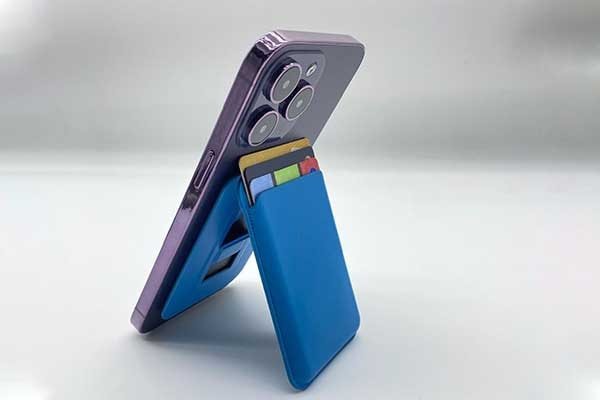
While the risk to modern cards is low, following a few simple practices can give you complete peace of mind. These tips also protect any vulnerable magstripe cards you still carry.
Simple Do’s and Don’ts
Learning how to protect credit cards from magnets is straightforward. It’s more about awareness than buying special gear.
DO store your cards in a dedicated wallet or cardholder. This provides a physical barrier and separation from loose items in your bag or pocket.
DON’T stack cards directly against a known strong magnet. This is especially true for magnetic money clips that use powerful neodymium magnets to hold cash.
DO use different pockets for your phone and wallet if you use a powerful, unshielded magnetic case. This applies to any accessory you’re unsure about.
DON’T leave your wallet on top of devices with powerful magnets. This includes large stereo speakers, industrial equipment, and retail security tag removers.
For more general advice on keeping your financial information safe, consumer protection agencies like the Federal Trade Commission (FTC) offer excellent resources.
Choosing the Right Wallet
For 99% of users, any standard leather, fabric, or metal wallet works perfectly fine. It will protect cards from everyday magnetic fields.
There’s a common point of confusion about RFID-blocking wallets. It’s crucial to understand that RFID-blocking technology stops radio waves. It prevents thieves from wirelessly stealing your contactless card data. But it doesn’t necessarily block static magnetic fields.
Some wallets are marketed with magnetic shielding. These are generally unnecessary unless you regularly work around very strong industrial magnets. For most people, focusing on a well-made wallet that keeps cards organized is the most effective strategy.
Debunking Common Myths
Misinformation about magnets and cards is everywhere. Let’s address some of the most common myths directly to give you clear, factual answers.
Myth: My Phone Will Wipe My Card
Fact: The magnets inside a standard smartphone are far too small and weak to demagnetize a credit card. The same is true for most phone cases. Do phone magnets damage credit cards? No, not in any practical sense. Only direct, prolonged contact with an unusually strong and unshielded magnetic case could potentially pose a risk to a vulnerable magstripe.
Myth: Airport Scanners Erase Cards
Fact: This persistent myth is completely false. Airport security scanners use X-rays to see inside your luggage. They don’t use strong, static magnetic fields. Your credit cards, phone, and laptop are all safe when passing through an airport X-ray machine.
Myth: A Damaged Stripe Renders a Card Useless
Fact: Not anymore. In the past, a damaged magnetic stripe meant you needed a new card. Today, nearly all terminals support EMV chips. A demagnetized stripe is merely an inconvenience. You can simply insert the chip or use the contactless feature to complete your transaction. The only place it would fail is at an old, swipe-only terminal, which is increasingly rare.
Myth: All Magnets in Wallets are Dangerous
Fact: Most magnets used in consumer products like wallets and purses are chosen specifically for their weakness. Designers use just enough magnetic force to hold a clasp shut and no more. These low-strength magnets aren’t powerful enough to pose a risk to your cards’ magnetic stripes.
Conclusion
The landscape of payment technology has shifted dramatically. The fear that a common magnet will destroy your credit card is now largely outdated. By understanding the technology, you can navigate the modern world with confidence.
Here are the most important takeaways:
Your chip and contactless cards are safe from magnets. The core technology they use isn’t magnetic.
The magnetic stripe is the only vulnerable part of a card. And it’s quickly becoming an obsolete backup system.
Be mindful of extremely strong neodymium magnets found in industrial settings. But don’t worry about everyday magnets like those on your fridge or in a purse clasp.
For businesses creating products with magnets, thoughtful design matters. Proper shielding and sourcing quality components are the keys to a safe and reliable product.
In the end, the question do magnets ruin credit cards has a more nuanced answer than a simple yes or no. But the practical result is reassuring. For the vast majority of people and cards in 2024, the risk is virtually zero. You can use modern magnetic accessories with confidence.
For businesses and innovators working with magnetic technology, ensuring product integrity starts with the right components. Discover custom solutions and expert guidance at https://cnmmagnet.com/.
We are a manufacturer specializing in the research and development of magnets with years of industry experience. Our product offerings include NdFeB magnets, ferrite magnets, and custom magnetic components. Our goal is to provide high-quality magnetic solutions to customers worldwide, and we also offer OEM/ODM customization services. If you have any questions about magnets or custom applications, please feel free to contact our team of experts.
Facebook
Twitter
LinkedIn
X