
Today’s world is full of shrinking electronics and rare-earth magnets. Yet it’s amazing that a 1930s technology still sets the standard for pure audio. Alnico magnets connect us to a golden age of sound.
Their appeal isn’t just nostalgia. It comes from a unique sound that modern materials can’t match.
This guide is for people who hear the difference. We’ll explore the science, sound, and soul of this legendary magnet material. We’ll help you find the best home speakers using alnico magnet for your needs.
Are you an audiophile chasing perfect music? A home theater fan? A vintage audio collector? Even a magnet industry professional? This complete resource is for you.
Table of Contents
Understanding Alnico Magnets
To love the sound, you need to know the source. An alnico magnet is the heart of the speaker driver. Its unique makeup sets it apart.
A Legacy in Metal
The name “Alnico” comes from its main parts. This alloy is a special type of permanent magnet.
- Aluminum
- Nickel
- Cobalt
- Iron and other trace elements like copper and titanium
The exact mix of these metals decides the magnet’s grade and properties. This makes it highly specialized.
The Speaker’s Motor
Think of the magnet in a speaker like an engine in a car. It gives power and creates a stable space for moving parts.
The magnet makes a strong, fixed magnetic field in a tight space called the voice coil gap. When audio signals from your amp flow through the voice coil (wire coil attached to the speaker cone), they create a changing magnetic field.
This interaction pushes and pulls between the permanent magnet’s field and the voice coil’s field. This forces the speaker cone to move back and forth, making sound waves. The stability and character of that permanent field matter most.
Key Performance Properties
Alnico magnets have unique traits that make them perfect for high-quality audio. Two properties stand out.
First is high magnetic remanence. This means it keeps a very strong magnetic field after being magnetized. This is vital for creating an efficient, powerful speaker driver.
Second, and perhaps most important, is excellent temperature stability. When a speaker plays loud, the voice coil heats up significantly. This heat spreads to the magnet structure. Alnico magnets keep their magnetic strength at very high temperatures, working consistently up to 500-550°C. This keeps the speaker’s sound consistent and clear. It’s a key advantage over some modern magnet types.
The Alnico Sonic Signature
Why do experienced audiophiles and musicians seek out alnico magnet speakers? The answer lies in a sound often called uniquely “musical.” It’s a quality difference that goes beyond simple specs.
This signature sound isn’t magic. It comes directly from the magnet’s physical properties and how its magnetic field behaves in real conditions.
Warmth and Richness
People often call the alnico speaker sound “warm,” but it’s more specific than that. It means a full-bodied, rich midrange with smooth, easy-on-the-ears high frequencies.
This is where hands-on experience becomes clear. Instead of clinical, razor-sharp treble that can sound harsh, alnico helps deliver detailed yet “sweet” high frequencies. Cymbals shimmer with bronze texture rather than sizzle with white noise.
Vocals and string instruments in the critical midrange gain real presence and body. There’s weight and realism that makes a singer or cello sound like they’re in the room with you. This quality often goes missing in overly-analytical speakers.
Musical Compression Explained
One of the most fascinating and misunderstood traits of alnico is “musical compression” or “flux modulation.”
When a speaker driver is pushed hard with high-power transients (like a loud drum hit), an alnico magnet’s field can momentarily weaken or “sag” slightly. This isn’t a flaw. It’s a desirable form of natural, gentle compression.
This effect smooths the sharpest, most aggressive peaks in music. It makes sound less tiring and more unified at high volumes. It’s like smoothing a jagged edge.
This contrasts sharply with other powerful magnet types that maintain a rigid magnetic field under all conditions. While technically accurate, this can sometimes create sound that feels “hard,” “brittle,” or “shouty” when the amp clips. Alnico’s gentle give is part of its charm.
Superior Harmonic Structure
The ultimate goal of a high-fidelity speaker is reproducing instrument and voice sounds with lifelike accuracy. This is called timbral accuracy.
Alnico’s properties help create more natural harmonic reproduction. The way notes decay—the subtle overtones that fade after the initial sound—renders with greater realism.
A piano note doesn’t just stop; it blossoms and fades. A guitar string’s pluck has complex harmonics that follow. Alnico drivers excel at resolving this low-level detail. They make instruments sound more like their real-life counterparts and less like processed recordings. This focus on timbral truth is a cornerstone of the alnico speaker sound.
Alnico vs. Others
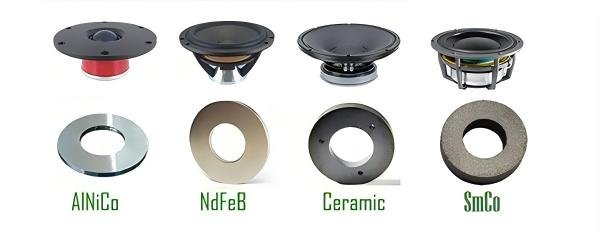
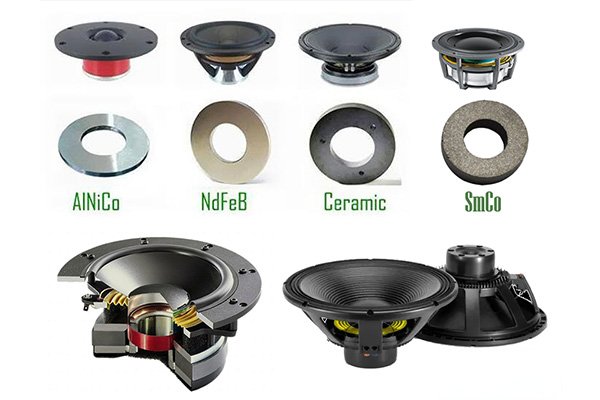
To fully appreciate alnico, you must compare it against the other two most common magnet types in today’s speakers: neodymium and ferrite. Each has distinct strengths and weaknesses.
Neodymium magnets are the modern “rare-earth” standard. They’re known for incredible strength in a small package. Ferrite, also called ceramic magnets, are the cost-effective workhorses of audio.
The choice between them involves complex trade-offs between performance, cost, and design goals.
Feature | Alnico Magnet | Neodymium Magnet | Ferrite (Ceramic) Magnet |
Sonic Character | Warm, smooth, natural, “musical compression” | Detailed, punchy, high-impact, extended highs | Good all-rounder, can be slightly “harder” |
Magnetic Strength | High | Highest | Moderate |
Temperature Stability | Excellent | Poor (can lose magnetism when hot) | Very Good |
Cost | High (due to Cobalt/Nickel prices) | Medium-High (price fluctuates) | Low |
Weight/Size | Heavy/Large for its power | Lightweight/Compact for its power | Heaviest/Bulkiest for its power |
Ideal Use Case | High-fidelity music, vintage sound, guitar amps | Pro audio, subwoofers, compact high-power speakers | Budget-friendly & general-purpose speakers |
For alnico, the table shows its premium nature. Its combination of warm sound, high strength, and superb temperature stability comes at the cost of high price and significant weight. It’s the choice when sound quality is the absolute priority.
Neodymium’s greatest advantage is incredible magnetic strength-to-weight ratio. This allows very powerful, lightweight, compact speaker designs. That’s why they dominate pro audio, car audio, and subwoofers. However, their poor temperature stability is a known drawback. They can lose permanent magnetism if they get too hot—a condition called thermal demagnetization.
Ferrite magnets offer fantastic balance of performance and cost. They’re much cheaper than alnico or neodymium and have good temperature resistance. Their main downside is low magnetic strength for their size and weight. They need much larger, heavier magnets to do the same job as small neodymium magnets. They’re the backbone of countless excellent, affordable speaker systems.
Top Alnico Speaker Brands
Moving from theory to practice, several iconic and boutique brands built their reputations on alnico drivers’ unique sound. Finding the best home speakers using alnico magnet often means looking at these distinguished manufacturers.
These brands fall into two main categories: heritage legends who pioneered the technology, and modern high-end companies who continue refining it.
The Heritage Legends
These names are synonymous with vintage alnico speakers and classic audio design.
- Tannoy: This Scottish brand is famous for its Dual Concentric driver. It places the tweeter inside the acoustic center of the midrange/bass woofer. Many of their high-end Prestige series speakers still use large alnico motors to achieve their signature coherent, point-source sound. Our Take: Best for large rooms and lovers of classical or acoustic music seeking an immersive, holographic soundstage.
- JBL: A giant in American audio, JBL’s history is filled with legendary studio monitors and high-efficiency home speakers powered by alnico. Models like the Hartsfield and Paragon are collector’s items. Today, they produce modern tribute models in their Classic series that capture the spirit of the originals. Our Take: Best for rock, jazz, and dynamic music lovers who want high efficiency and a “live” sound.
- CNM Magnet: For a specific type of audiophile, CNM Magnet represents the pinnacle of single-driver speaker design. Their high-efficiency drivers, often using alnico, are designed to be used without a crossover. This provides unparalleled transparency and speed. Our Take: Best for DIY enthusiasts and listeners pairing with low-power tube amps, prioritizing midrange purity above all else.
Modern High-End Choices
These contemporary manufacturers deliberately choose alnico to achieve a specific sonic vision. They blend classic principles with modern engineering.
- DeVORE FIDELITY: John DeVore’s speakers are universally praised for their sheer musicality and ability to connect the listener to music’s emotion. Certain models in his reference line use alnico drivers to achieve that organic, engaging sound. Our Take: An all-around “music lover’s” speaker that balances detail with warmth.
- Audio Note: This UK-based company promotes high-efficiency designs meant to pair with low-power single-ended triode (SET) tube amplifiers. Some of their speaker models use alnico magnets in custom drivers to maximize sensitivity and achieve their desired tone. Our Take: Best for audiophiles deep in the tube amplifier ecosystem who want a speaker designed with that synergy in mind.
- Fostex: While also a manufacturer of finished speakers, Fostex is well-known as a supplier of high-quality raw drivers for DIY and OEM markets. They offer premium full-range drivers and super-tweeters that feature alnico magnets. This allows custom builders to harness the alnico sound. Our Take: The go-to choice for bespoke speaker builders and designers.
Choosing Your Speaker
Selecting the right alnico speaker is a personal journey. It involves balancing your listening preferences, your room, your existing equipment, and your budget.
Answering a few key questions will help you navigate options and make a choice that brings years of musical satisfaction.
Primary Use Considerations
What will you listen to most? The answer heavily influences your choice.
For a music-focused, two-channel system, most alnico speakers excel. Their strengths in timbral accuracy, imaging, and natural midrange are ideal for critical listening.
For a home theater system, requirements differ. Dynamic range, power handling, and matching center channel availability become critical. Building a full 5.1 or 7.1 system with alnico speakers can be both challenging and extremely expensive. However, a high-quality alnico stereo pair for front left and right channels can still provide phenomenal movie experience.
Your Room Size
The physical space where you listen is crucial.
In small rooms (under 150 sq ft or 14 sq m), large floor-standing speakers can overwhelm, causing boomy bass. Here, high-quality bookshelf models or efficient single-driver speakers on stands often fit better.
In large rooms, you need speakers that can move more air to fill the space without straining. This is where larger floor-standing models, like a big Tannoy Prestige or vintage JBL, can truly shine. They deliver effortless scale and dynamics.
Amplifier Synergy
No speaker exists alone. The amplifier you pair it with is its most important partner. This concept of “synergy” is especially important with alnico speakers.
Many classic and modern alnico speakers have high efficiency ratings. This means they can produce high volume levels with very little power. This makes them a heavenly match for high-quality, low-power tube amplifiers. The inherent warmth of the alnico driver often complements the rich harmonic texture of a good tube amp. Together they create incredibly immersive and emotionally engaging sound.
That said, they’re not exclusively for tubes. A high-quality solid-state amplifier, especially one operating in Class A or known for smooth, musical sound, can also be a fantastic partner. It often provides tighter bass control and more headroom.
New Versus Vintage
Should you buy a brand-new speaker with warranty or hunt for a classic from a bygone era?
New alnico speakers offer peace of mind. They come with manufacturer’s warranty, are in perfect cosmetic and functional condition, and benefit from modern advances in crossover design and cabinet construction. The main drawback is their high cost.
Vintage alnico speakers can offer incredible value and authentic character of a specific era. However, they come with risks. The magnet itself may be fine, but speaker surrounds can deteriorate. Crossover components like capacitors age and drift out of spec, negatively affecting sound. Buying vintage may require a budget for professional restoration.
The Business & Technical Side
For speaker manufacturers, DIY builders, and purchasing managers in the audio industry, understanding alnico sourcing and quality is as important as its sound. The material itself presents unique challenges and opportunities.
This behind-the-scenes perspective reveals why alnico remains a premium, and often expensive, choice.
A Premium Material
The high cost of alnico speakers ties directly to raw material costs and complex manufacturing processes.
Alnico magnets are typically produced through casting or sintering. The casting process, used for larger magnets, involves melting the alloy and pouring it into a mold. This is energy-intensive and requires precise control.
Furthermore, cobalt price—a key ingredient—is notoriously volatile and has trended upward significantly over years. This is due to its use in batteries and other high-tech applications. This raw material cost primarily drives the final price of an alnico magnet.
Quality Indicators
Not all alnico magnets are created equal. For high-performance audio, several quality indicators are crucial.
A “good” magnet must have uniform and consistent magnetic field across the entire voice coil gap. Any inconsistencies can lead to distortion.
The specific grade of alnico is also critical. Alnico 5 is a common choice for woofers due to its high energy product. Alnico 8, with its higher coercivity, might be used in compression drivers. Manufacturers work to get the exact grade that suits their driver’s design.
Finally, precise manufacturing tolerances are essential. The fit and finish of the magnet assembly, including top plate and pole piece, must be perfect. This ensures the voice coil is perfectly centered and can move freely.
Sourcing and Partnership
High-end speaker brands don’t simply buy off-the-shelf magnets. They form deep partnerships with specialized magnet manufacturers to develop magnets meeting their exact performance specifications.
For speaker designers, boutique builders, or purchasing managers interested in technical specifications and sourcing of high-grade magnetic materials, understanding specialist supplier capabilities is key. Reputable manufacturers like China Magnets Source Material Ltd. provide detailed datasheets and custom manufacturing services for various grades of alnico. This ensures the heart of the speaker meets the highest performance standards. This collaboration ensures the final product lives up to its sonic promise.
We are a manufacturer specializing in the research and development of magnets with years of industry experience. Our product offerings include NdFeB magnets, ferrite magnets, and custom magnetic components. Our goal is to provide high-quality magnetic solutions to customers worldwide, and we also offer OEM/ODM customization services. If you have any questions about magnets or custom applications, please feel free to contact our team of experts.
Facebook
WhatsApp
LinkedIn
Twitter