
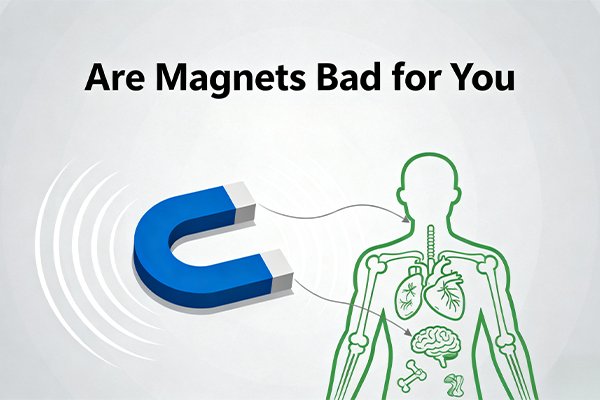
People often ask, “are magnets bad for you?” For most daily interactions with common magnets, the answer is no. The magnets on your refrigerator are safe. So is the clasp on your bag. Your phone holder won’t harm you either.
But the full answer is more complex. Risk depends on the magnet’s strength, how you use it, and your specific situation. A tiny decorative magnet is completely different from a powerful industrial one.
This guide takes a scientific look at magnets and health. We’ll explore real effects on the human body. We’ll explain the difference between everyday and high-powered magnets. You’ll learn about genuine risks like pacemaker interference. We’ll also examine the evidence behind magnet therapy claims.
Table of Contents
Understanding Magnetic Fields
To understand how magnets affect us, we need to know about different types of magnetic fields. This helps separate facts from myths.
Static vs. Electromagnetic
Most permanent magnets create static magnetic fields. These include fridge magnets and powerful neodymium discs. Static fields stay constant and don’t change over time.
This differs from electromagnetic fields (EMFs). EMFs come from moving electric charges. Power lines create them. So do cell phones and Wi-Fi routers. The health effects of long-term EMF exposure are debated separately. They’re more complex than static field effects.
The “magnet radiation myth” often comes from confusing these two field types. Permanent magnets don’t emit radiation like radioactive materials or high-frequency EMF sources do.
Feature | Static Magnetic Field (e.g., Fridge Magnet) | Electromagnetic Field (e.g., Cell Phone) |
Source | Permanent magnets, Earth’s magnetic field | Electrical devices, power lines, radio waves |
Nature | Constant, unidirectional | Varies in time and direction (waves) |
Primary Health Concern | Physical interaction (attraction), implant interference | Debated long-term exposure effects (thermal/non-thermal) |
Static Fields and You
A common myth says magnets are dangerous because they attract iron in your blood. This is wrong.
The iron in your red blood cells is part of hemoglobin molecules. In this state, it’s not ferromagnetic. Ferromagnetism is what makes iron strongly attract to magnets. If blood iron were ferromagnetic, MRI machines would be deadly.
The human body is largely transparent to static magnetic fields. The World Health Organization reviewed static fields extensively. They found no convincing evidence that typical exposure levels cause adverse health effects.
This principle allows MRI to work safely. MRI machines use incredibly powerful static magnetic fields to image our organs and tissues. This proves the body doesn’t react harmfully to these fields. The materials that make these powerful tools possible are fascinating. You can learn more about various Magnetic Materials.
A Tale of Two Magnets
ot all magnets are the same. The strength difference between household magnets and rare-earth magnets is huge. Understanding this helps answer: do magnets affect human health?
Your Daily Companions
Most magnets you encounter are ferrite or flexible magnets. These hold pictures to your fridge. They’re in cheap toys. They close some phone cases and purses.
These magnets are very weak. They typically measure a few hundred Gauss at their surface. They’re overwhelmingly safe for everyone.
People ask, “are phone magnets bad for you?” The small magnets in phone cases or car mounts are too weak to affect you biologically. They might interfere with your phone’s internal compass. Sometimes they affect wireless charging alignment. But they won’t hurt you.
The Powerhouses
Rare-earth magnets are completely different. Neodymium magnets are the most notable. They can be thousands of times stronger than common ferrite magnets.
If you’ve handled two small neodymium magnets, you know the startling ‘click’ as they leap together across surprising distances. This force explains both their usefulness and their danger.
These powerful magnets aren’t just industrial. They’re in modern technology everywhere. Computer hard drives use them. So do electric vehicle motors and high-quality headphones. They’re sold as consumer products too – desk toys, sculptures, and strong fasteners. You can see examples of these powerful tools on our Neodymium Magnets page.
Strength and Risk
Comparing magnet strengths helps clarify risks. Magnetic field strength is measured in Gauss or Tesla. One Tesla equals 10,000 Gauss.
This table shows static magnetic fields health effects based on magnet type and strength.
Magnet Type | Typical Strength (Gauss) | Common Use | Primary Risk Level & Concern |
Fridge Magnet | 50-100 | Decoration | Very Low: Effectively zero health risk. |
Magnetic Jewelry | 300-5,000 | Bracelets, necklaces | Low: Generally safe; main concern is for pacemaker users. |
Small Neodymium Magnet | 2,000-5,000 | Hobbies, clasps | Moderate: Pinch hazard, swallowing risk. |
Large Neodymium Magnet | 10,000-14,000 | Industrial, scientific | High: Severe pinch/crush injury, pacemaker risk, data damage. |
MRI Machine | 15,000-30,000 | Medical Imaging | Extreme (Controlled): Safe only under strict medical supervision. |
The Real Dangers

Everyday magnets are harmless. But strong magnets present real, evidence-based dangers. These strong magnets health risks aren’t about radiation or mysterious energies. They’re about powerful physical forces and technology interactions.
Pacemaker Interference
The most critical health risk involves implanted medical devices. This is the serious answer about magnets and pacemakers.
Pacemakers and Implantable Cardioverter Defibrillators (ICDs) are sophisticated electronic devices. Strong magnetic fields can affect them. When a strong magnet gets close to these devices, it can activate “magnet mode.”
Doctors designed this mode to check devices or change settings. But unintended activation is dangerous. It may cause the pacemaker to switch to fixed-rate pacing. It might temporarily disable an ICD’s life-saving functions.
The FDA and American Heart Association recommend keeping strong magnets 6 to 12 inches away from pacemakers and ICDs. This includes powerful neodymium magnets in speakers, name badges, and consumer products.
The Swallowing Hazard
For parents and caregivers, the worst neodymium magnets danger is children swallowing them. When asking “are magnets safe for kids?” the answer about small, high-powered magnets is serious: they’re not safe.
If a child swallows one magnet, it will likely pass through safely.
The life-threatening danger happens when children swallow two or more high-powered magnets. Inside the body, these magnets attract each other across different intestinal loops or bowel walls.
This attraction is strong enough to clamp tissue tightly. It cuts off blood supply. This can cause tissue death, perforation, blood poisoning, and death if not treated surgically immediately. Many countries strictly regulate selling small, high-powered magnets as toys due to this risk. Always follow clear Magnetic Safety guidelines.
Pinch and Crush Injuries
Large neodymium magnets create significant physical hazards. These aren’t toys. They’re powerful industrial components.
When two large magnets approach each other, they accelerate and slam together with tremendous force. The same happens when magnets approach steel surfaces.
This force can shatter the magnets, sending sharp pieces flying. If fingers or hands get caught between them, severe crush injuries, cuts, and broken bones result. Handling large or Custom Magnets for industrial use requires special training and protective equipment.
Risk to Electronics
Strong magnets can damage property beyond direct health risks. This is practical, not biological.
Strong magnetic fields permanently erase data on magnetic storage. This includes older credit card strips, hotel key cards, and computer hard drives.
They can interfere with mechanical watches by magnetizing delicate internal parts. Most modern electronics like smartphones and flash drives resist damage from common magnets. But strong fields can still cause temporary problems.
The "Magnet Therapy" Debate
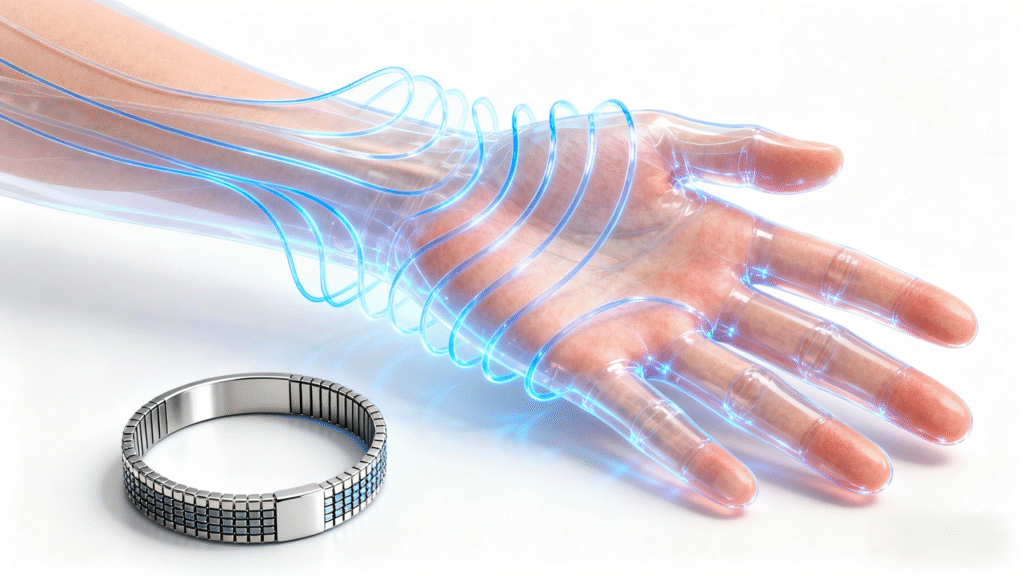
Discussing magnets and health requires addressing magnet therapy. Magnetic bracelets, insoles, and mattress pads are marketed with many health claims. This creates confusion for consumers.
The Theory Behind It
Magnet therapy claims vary but center on core ideas. The most common theory is that magnets improve blood flow to specific areas.
Supporters claim magnetic fields attract iron in blood. This supposedly increases circulation and delivers more oxygen and nutrients to tissues. They say this speeds healing and reduces pain.
Other claims suggest magnets alter nerve impulses, reduce inflammation, or rebalance the body’s natural “bioenergetic fields.”
The Scientific Evidence
When tested, magnet therapy evidence is overwhelmingly weak.
Scientists and doctors have conducted numerous rigorous studies on static magnets’ therapeutic effects. Most high-quality research, including double-blind, placebo-controlled trials, found static magnets no more effective than placebos for pain relief.
The National Center for Complementary and Integrative Health (NCCIH) reviewed the evidence. They state it doesn’t support using magnets for pain. The blood flow theory is easily debunked since blood iron isn’t ferromagnetic and weak bracelet fields don’t affect it.
Relief some people feel is likely the placebo effect. When people believe treatments will work, their brains release natural pain-relieving chemicals. This causes real but temporary symptom reduction.
Are Bracelets Safe?
So, are magnetic bracelets safe? For most people, yes. They’re unlikely to cause direct harm. The main risk is the same as any strong magnet: interference with pacemakers or other implanted medical devices.
While not physically harmful, these products can cause indirect harm. This happens when people use them instead of seeking proper medical diagnosis and treatment for real health conditions.
The choice is personal, but consumers should be skeptical of expensive products making extraordinary health claims. Engineering in legitimate magnetic applications, like sophisticated Magnetic Assemblies, is based on measurable physics. This contrasts sharply with unsubstantiated magnet therapy claims.
A Safe Relationship with Magnets
The answer to “are magnets bad for you?” isn’t simply yes or no. It depends on context, strength, and awareness. Understanding the science helps you interact with magnets safely and effectively.
Your daily relationship with magnets should be confident, not fearful. Magnetism is a fascinating and useful part of modern life. Knowing the facts empowers you to use these tools wisely.
- Everyday magnets are safe. Don’t worry about fridge decorations, phone holders, or purse clasps. Their fields are too weak for biological effects.
- Strong magnets demand respect. Neodymium magnets are powerful tools, not toys. Be aware of real pinching risks and the critical ingestion hazard for children.
- Protect medical implants. This is the most important health rule. Keep all strong magnets away from pacemakers and ICDs to prevent life-threatening interference.
- Be a skeptical consumer. Scientific evidence doesn’t support health claims for magnet therapy products like bracelets and wraps. Consult medical professionals for health conditions.
We are a manufacturer specializing in the research and development of magnets with years of industry experience. Our product offerings include NdFeB magnets, ferrite magnets, and custom magnetic components. Our goal is to provide high-quality magnetic solutions to customers worldwide, and we also offer OEM/ODM customization services. If you have any questions about magnets or custom applications, please feel free to contact our team of experts.
Facebook
LinkedIn
WhatsApp
Twitter