
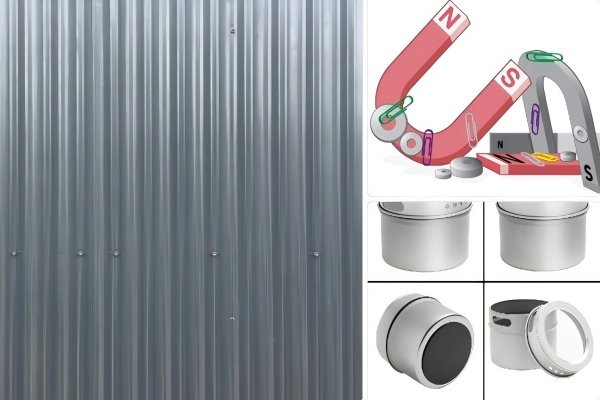
No. Pure tin is not magnetic. It will not be attracted to a magnet.
However, this simple answer often leads to more questions. This happens especially when you encounter a “tin can” that a magnet sticks to. This comprehensive guide is designed to clear up that confusion. We will explore the science behind why tin isn’t magnetic. We’ll address common misconceptions. We’ll also detail the practical implications of this property for everyone from students and DIY enthusiasts to engineers and industrial purchasing managers.
By the end of this article, you will not only have a definitive answer but also a deep understanding of tin’s role among other metals. You’ll know how to make informed decisions in your projects, designs, or purchases.
Table of Contents
Why Tin Isn't Magnetic
To understand why tin is not a magnetic material, we first need to understand what makes a material magnetic. Magnetism in materials is determined by the behavior of electrons within their atoms. Specifically, it’s about their electron spin. Materials are generally classified into three main categories based on their response to a magnetic field.
The Three Types of Magnetism
- Ferromagnetism: This is what most people think of as “magnetic.” Ferromagnetic materials, like iron, nickel, and cobalt, are strongly attracted to magnets. Their atomic structure allows the magnetic moments of their atoms to align in the same direction. This creates strong magnetic domains. This alignment persists even after the external magnetic field is removed, allowing them to become permanent magnets.
- Paramagnetism: Paramagnetic materials, such as aluminum and platinum, are very weakly attracted to a magnetic field. They have unpaired electrons, but their magnetic moments are randomly oriented. An external magnetic field can partially align them. However, this alignment disappears as soon as the field is removed. The attraction is so weak it’s often unnoticeable in everyday situations.
- Diamagnetism: This is the category where tin belongs. Diamagnetic materials, including tin, copper, gold, and bismuth, are actually weakly repelled by a magnetic field. In these materials, all electrons are paired, so there are no permanent atomic magnetic moments. When an external magnetic field is applied, it induces a very weak magnetic field in the opposite direction. This repulsion is extremely faint and cannot be detected without sensitive instruments.
For all practical purposes, diamagnetic materials are considered non-magnetic.
Tin's Atomic Structure
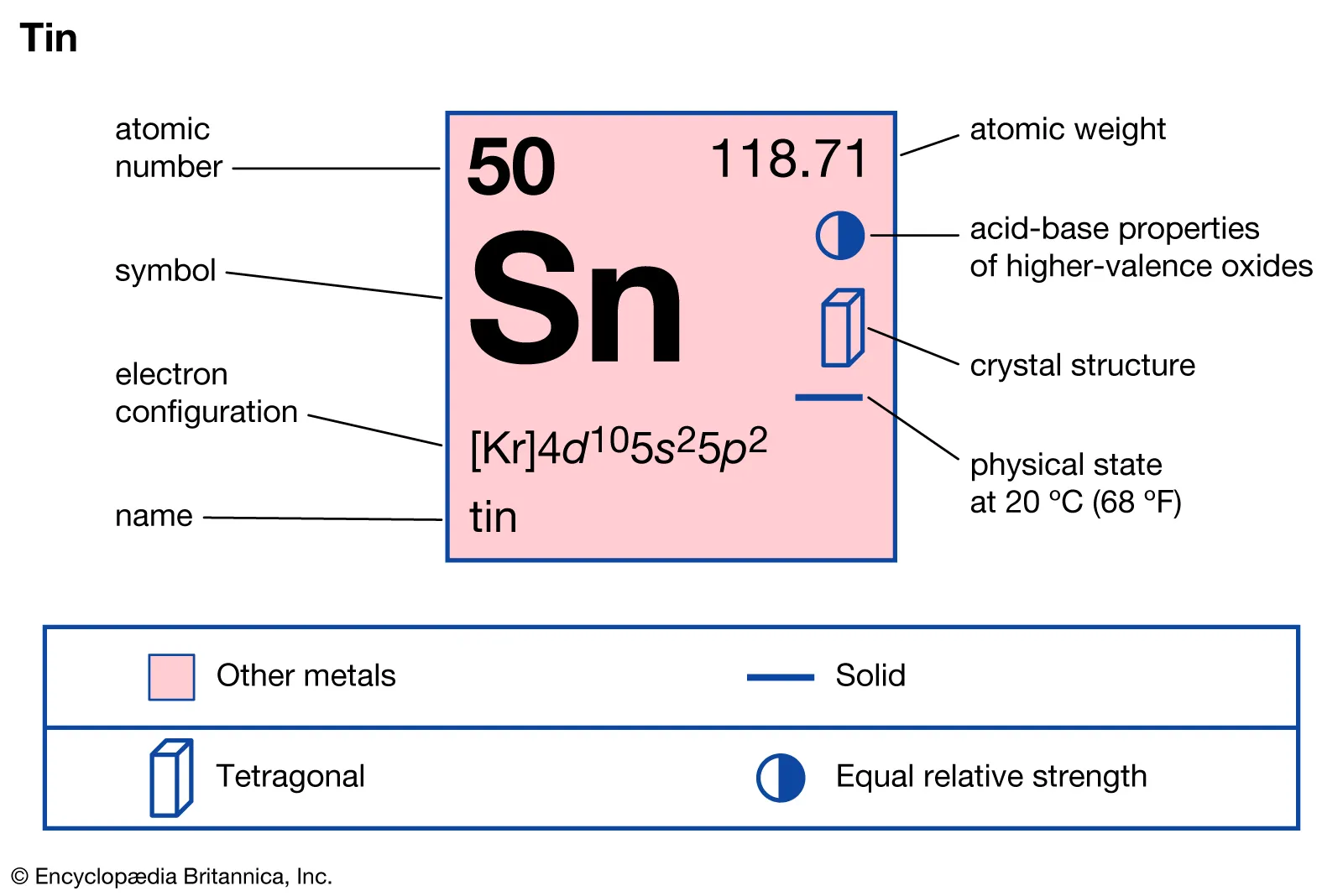
Tin (chemical symbol Sn, atomic number 50) has an electron configuration that results in its electrons being paired up. Without the unpaired electrons that are essential for the strong alignment found in ferromagnetic materials, tin cannot be strongly attracted to a magnet. Its response is diamagnetic—a weak repulsion that is imperceptible in daily use.
Therefore, scientifically, the answer to “is tin magnetic material?” is no. It is a diamagnetic, and thus non-magnetic, material.
For a deeper dive into elemental properties, the Royal Society of Chemistry’s page on Tin is an authoritative resource.
The Magnetic Tin Can Myth
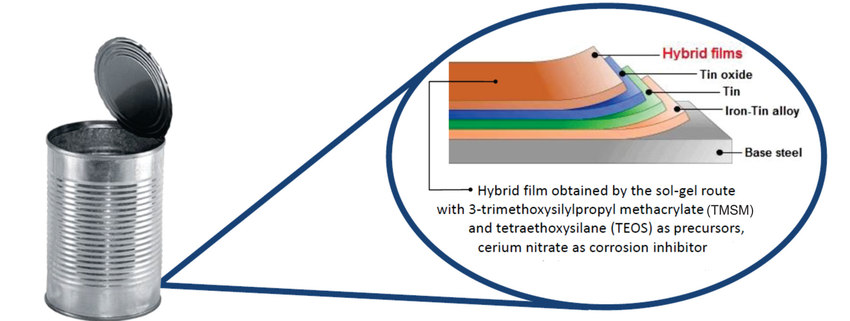
This is where most of the confusion arises. If tin isn’t magnetic, why does a magnet stick firmly to a tin can?
The answer is simple: tin cans are not made of tin. They are made of steel (which is primarily iron, a ferromagnetic material) and are coated with an incredibly thin layer of tin.
The Role of Tin Plating
Steel is strong and cheap. This makes it an excellent material for containers. However, it rusts easily, especially when in contact with food and moisture. Tin, on the other hand, is highly corrosion-resistant.
Manufacturers combine the best of both worlds:
- They use a strong, inexpensive steel base for the can’s structure.
- They apply a microscopic layer of tin to the surface (a process called tin plating).
This tin layer acts as a protective barrier. It prevents the food or beverage inside from coming into contact with the steel, thus preventing rust and preserving the contents’ flavor and safety. When you touch a magnet to a “tin can,” the magnetic force passes right through the non-magnetic tin layer. It attracts the ferromagnetic steel underneath.
Identifying Pure Tin
If you work with metals or are a curious hobbyist, you might need to tell the difference. Here’s a simple, practical method:
- The Magnet Test: This is the most straightforward test. Bring a magnet close to the object. If it sticks, you are not holding pure tin. You are almost certainly dealing with a ferrous metal like steel or iron, which may or may not be tin-plated. Pure tin, pewter (a tin alloy), and solder will not react to the magnet. To perform this test reliably, using a strong magnet like a neodymium disc magnet can provide a clear result.
- Visual and Physical Inspection: Pure tin is a soft, malleable, silvery-white metal. It is heavier than aluminum but much softer than steel. A famous characteristic of pure tin is the “tin cry”—a creaking sound made when a bar of tin is bent. This is caused by the shearing of its crystal structure. Steel is much harder and more rigid.
- Check for Rust: If you see any signs of orange or brown rust, especially in a scratched or damaged area, it’s a dead giveaway that the underlying material is steel, not solid tin.
For reliable material testing in your workshop or facility, a powerful Neodymium Magnet is an indispensable tool. Its strong pull will instantly identify any ferrous materials hiding under a non-magnetic coating.
Why Non-Magnetic Tin Matters
Understanding that tin is a non-magnetic material is more than just a piece of trivia. This property is a critical factor in many of its most important applications.
1. Electronics and Soldering
In the world of electronics, stray magnetic fields can cause interference. They can disrupt signals and damage sensitive components. Solder, which is used to create electrical connections on printed circuit boards (PCBs), is traditionally a tin-lead alloy. Now it’s mostly lead-free tin-silver-copper alloys.
The fact that tin and its soldering alloys are non-magnetic is crucial. If solder were magnetic, it could:
- Interfere with Signals: Create unwanted magnetic fields that could disrupt the flow of data in nearby traces or components.
- Magnetize Components: Induce magnetism in sensitive components, altering their performance.
- Attract Debris: Attract tiny ferrous particles during manufacturing or repair, potentially causing short circuits.
The non-magnetic nature of tin ensures clean, stable, and interference-free electrical connections.
The importance of material properties in electronics is a core principle of electrical engineering. This is detailed in standards from organizations like the IEEE.
2. Industrial Machinery
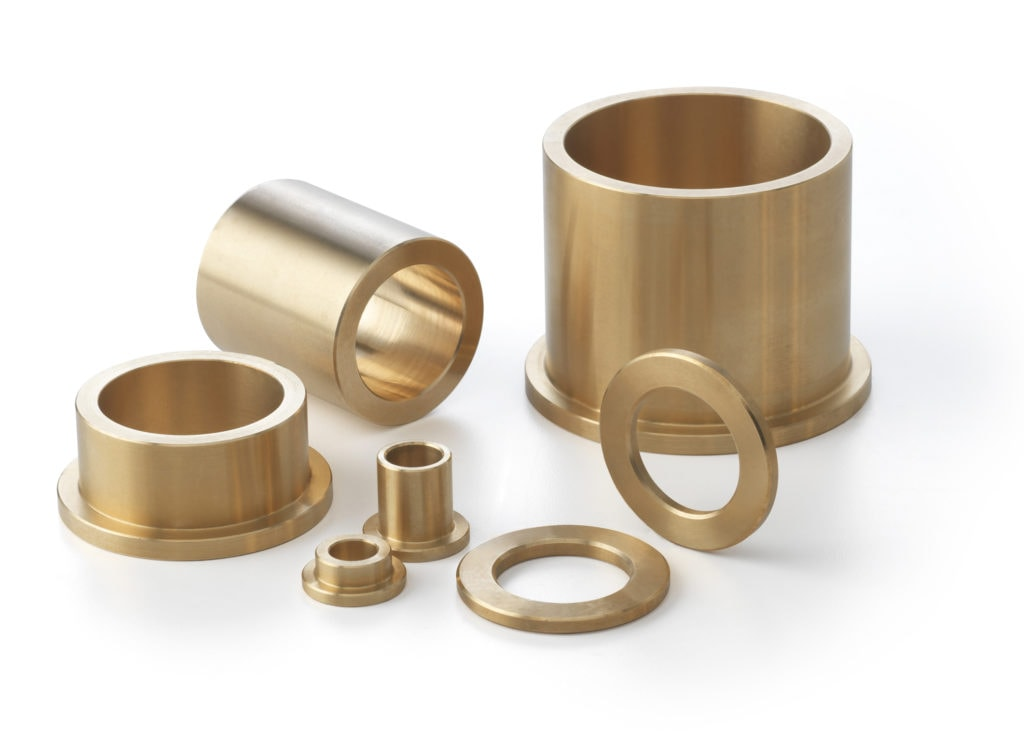
In environments with powerful magnets or strong electromagnetic fields (e.g., MRI machines, particle accelerators, industrial sorting machines), using non-magnetic materials is essential. This is crucial for any component near the field. Tin and its alloys, such as bronze (copper-tin) and pewter, are often chosen for bushings, bearings, and other parts. These parts need to operate without magnetic interference.
3. Material Selection in Design
For product designers and purchasing managers, material properties are everything. Choosing the right material involves balancing cost, strength, conductivity, and magnetism.
Here is a simplified comparison to guide material selection:
Feature | Tin (Pure) | Steel (Low-Carbon) | Aluminum | Copper |
Magnetism | Diamagnetic (Non-Magnetic) | Ferromagnetic (Strongly Magnetic) | Paramagnetic (Effectively Non-Magnetic) | Diamagnetic (Non-Magnetic) |
Corrosion Resistance | Excellent | Poor (requires coating) | Very Good | Good (patinates) |
Conductivity | Moderate | Poor | Good | Excellent |
Malleability | Very High | Moderate | High | Very High |
Cost | High | Low | Moderate | High |
Primary Use Case | Protective Coatings, Solder | Structural Components, Containers | Lightweight Structures, Electrical | Wiring, Plumbing, Thermal |
This chart illustrates that if your primary requirement is a non-magnetic material with excellent corrosion resistance, tin is a superior choice over uncoated steel. If you need structure and low cost, steel is the answer—and you can use tin plating to protect it.
Understanding the magnetic properties of various metals is fundamental when designing systems that incorporate magnets. For a look at the types of magnets used in these industrial applications, explore our range of Industrial Magnets.
Other Magnetic Materials
While our focus is tin, it’s helpful to place it in the larger context of common engineering and household metals. Knowing which materials are magnetic and which are not is a valuable piece of practical knowledge.
Quick-Reference Metal Chart
Use this chart as a quick guide for your projects. The “Real-World Test” describes how a strong magnet (like a neodymium magnet) will behave with each material.
Metal | Type of Magnetism | Real-World Test with a Strong Magnet | Common Applications |
Iron | Ferromagnetic | Strongly Attracts | Steel production, construction, cast iron cookware |
Steel (most) | Ferromagnetic | Strongly Attracts | Buildings, cars, tools, “tin” cans, appliances |
Stainless Steel | Varies | Some types attract, some don’t (Austenitic vs. Ferritic) | Cutlery, surgical tools, kitchen appliances |
Nickel | Ferromagnetic | Strongly Attracts | Coins, batteries, alloys |
Cobalt | Ferromagnetic | Strongly Attracts | High-strength magnets (e.g., SmCo), alloys |
Tin | Diamagnetic | No Attraction (or very faint repulsion) | Plating, solder, pewter, bronze |
Aluminum | Paramagnetic | No Noticeable Attraction | Cans, foil, aircraft parts, window frames |
Copper | Diamagnetic | No Attraction | Electrical wiring, plumbing pipes, cookware |
Zinc | Diamagnetic | No Attraction | Galvanizing steel, alloys (brass), batteries |
Gold | Diamagnetic | No Attraction | Jewelry, electronics |
Silver | Diamagnetic | No Attraction | Jewelry, silverware, electronics |
Lead | Diamagnetic | No Attraction | Batteries, radiation shielding |
Titanium | Paramagnetic | No Noticeable Attraction | Aerospace, medical implants, sports gear |
For detailed physical properties of these and other materials, databases like Matweb offer extensive engineering data. Additionally, university resources like this guide on magnetism from UCDavis provide excellent academic context.
This classification is vital for tasks ranging from scrap metal sorting to designing complex machinery where magnetic interference cannot be tolerated. The key takeaway is that the “magnetic” metals we encounter daily are almost exclusively iron, nickel, cobalt, and the alloys made from them (like steel). Most other common metals, including tin, are effectively non-magnetic.
Conclusion: Tin is Not Magnetic
In conclusion, we can state with confidence that tin is not a magnetic material. Its diamagnetic nature means it is weakly repelled by magnets. This is a force so negligible that for all practical purposes, it is considered non-magnetic.
Let’s summarize the key takeaways:
- The Direct Answer: Pure tin does not stick to a magnet.
- The Scientific Reason: Tin’s atomic structure lacks the unpaired electrons needed for ferromagnetism, making it diamagnetic.
- The Common Confusion: The “magnetic tin can” is actually a steel can with a thin, non-magnetic protective tin coating. The magnet is attracted to the steel underneath.
- The Practical Importance: Tin’s non-magnetic property is essential for its use in electronics (solder), food packaging, and specialized industrial components where magnetic interference must be avoided.
By understanding not just the “what” but the “why” and “so what,” you are now equipped to correctly identify materials. You can avoid common mistakes and make informed decisions in your work or hobbies. Whether you are a student learning about the elements, a DIYer repairing a circuit board, or an engineer specifying materials for a critical application, knowing that tin is a non-magnetic material is a valuable piece of functional knowledge.
The world of materials and magnetism is vast and fascinating. If your project requires a deep understanding of magnetic performance or you need to select the perfect magnetic material for a specific task, the experts at CNM Magnet are here to help guide you to the right solution.
We are a manufacturer specializing in the research and development of magnets with years of industry experience. Our product offerings include NdFeB magnets, ferrite magnets, and custom magnetic components. Our goal is to provide high-quality magnetic solutions to customers worldwide, and we also offer OEM/ODM customization services. If you have any questions about magnets or custom applications, please feel free to contact our team of experts.
Facebook
Twitter
LinkedIn